
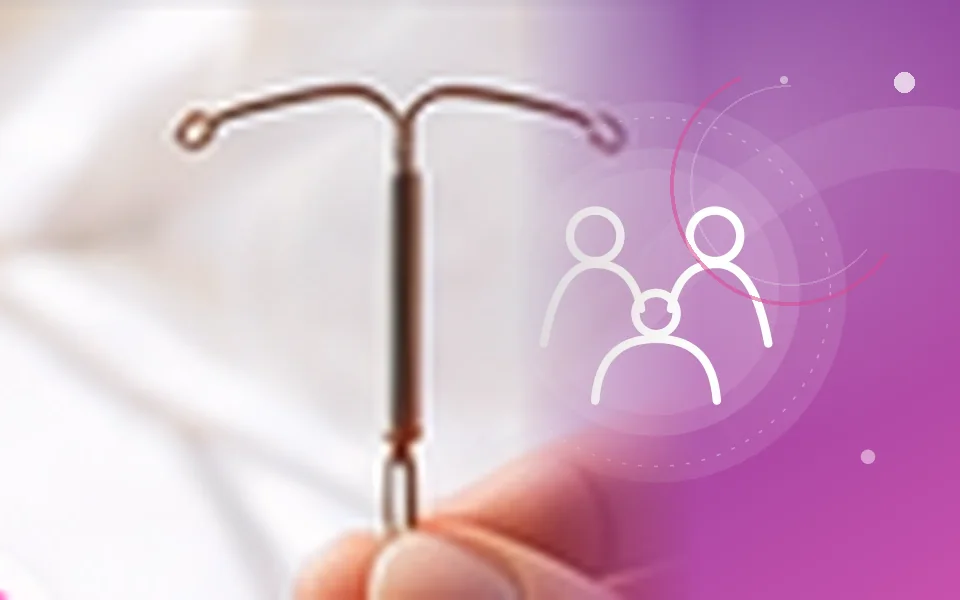
Confidential consultations on contraception choices and reproductive planning.
Family planning counselling helps a person choose contraception that fits health needs, preferences and future pregnancy plans. Methods vary in effectiveness, convenience and side effects.
When should you consider a consultation for Family Planning & Birth Control?
Family planning counselling helps a person choose contraception that fits health needs, preferences and future pregnancy plans. Methods vary in effectiveness, convenience and side effects.
- Choosing a contraceptive method
- Spacing or planning pregnancy
- Managing contraception side effects
Assessment, diagnosis and care options
Assessment and diagnosis
The clinician may discuss medical history, menstrual symptoms, smoking, breastfeeding, medications and whether STI protection is also needed.
Treatment options and shared decisions
Options may include condoms, oral contraceptives, implants, injectables, intrauterine devices and permanent methods. Suitability and availability must be confirmed with the clinician.
What may be discussed in your consultation?
- Review of preferences and medical history
- Discussion of available contraceptive options
- Guidance on correct use and follow-up
Your Family Planning & Birth Control consultation pathway
Understand your concern
Discuss the timing, pattern and impact of symptoms, reproductive history, medical conditions, medicines and personal goals.
Choose appropriate evaluation
Your clinician will explain which examinations, investigations or screening tests are relevant and seek informed consent before proceeding.
Plan personalised next steps
Treatment, follow-up, referral or a procedure may be discussed depending on findings, preferences and the setting required.
How to prepare for the consultation
Think about desired duration of contraception, prior side effects and plans for pregnancy. Ask about emergency contraception when relevant.
If available, bring relevant previous prescriptions, scans, laboratory tests and a current medication list. Ask the clinician about benefits, limitations, alternatives, follow-up and whether treatment requires a hospital facility.
No single contraceptive method is right for everyone; effectiveness and suitability vary.
Questions to ask during your appointment
- Which symptoms or examination findings matter most in my case?
- Do I need any tests or scans before a decision is made?
- What are the benefits, limitations and reasonable alternatives?
- When should I return, and which new symptoms require urgent attention?
Dr. Aradhana Singh
MBBS, MS, FICOG, FICMCH, FGL, PGDS · Obstetrician & Gynaecologist
View doctor profile
Frequently asked questions about Family Planning & Birth Control
Do all methods protect against STIs?
No. Condoms can reduce STI transmission risk; many pregnancy-prevention methods do not protect against infections.
How soon can contraception be started after delivery?
The timing and safest method depend on breastfeeding, delivery details and individual risk factors.
What reports should I bring for a family planning & birth control consultation?
Bring any relevant scans, laboratory results, previous prescriptions, medical reports and an updated list of medicines. The team can advise if more information is needed.
Medical information: This page is general patient education, not a diagnosis or promise of availability or treatment outcome. Clinical decisions need specialist assessment.