
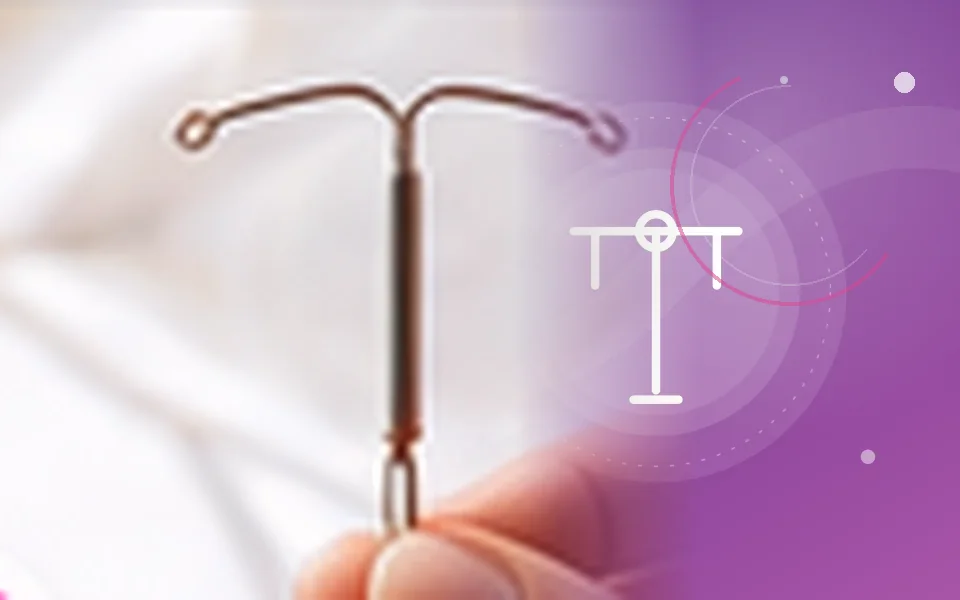
Understand the broad differences between copper and hormone-releasing intrauterine contraceptives.
What intrauterine contraception is
An intrauterine device is placed within the uterus by a trained clinician. Copper-containing devices and hormone-releasing systems such as Mirena use different mechanisms and can have different effects on bleeding patterns.
Choosing an option
Clinical history, period symptoms, pregnancy plans and personal preference matter. Some hormone-releasing systems can reduce menstrual bleeding, while copper devices can cause heavier periods in some users.
Insertion and removal
Insertion may cause brief cramping; pain-relief options can be discussed in advance. Removal is also performed by a trained professional. Timing and ongoing contraception after removal should be planned.
When to seek help
Severe pelvic pain, fever, unusually heavy bleeding or suspected pregnancy after insertion warrants prompt assessment. No IUCD protects against sexually transmitted infections, so condoms may still be important.
What happens to periods
Copper-containing devices can affect bleeding differently from hormone-releasing intrauterine systems. Explain any history of heavy periods, severe cramps or anemia before choosing. Your clinician may recommend one option over another or discuss a non-IUD method.
Questions after insertion
Ask how to recognize possible displacement, what bleeding pattern is expected and what to do if pregnancy is suspected. Keep a record of the insertion and recommended removal or replacement dates.
Frequently asked questions
Does an IUD cause permanent infertility?
Intrauterine contraception generally does not permanently impair fertility after removal; discuss individual concerns with a clinician.
When should I consult a doctor about this topic?
Arrange a clinical assessment for persistent or new symptoms. Sudden severe symptoms, suspected stroke, severe bleeding or neurological changes require emergency services.
Educational information only. This article is not a substitute for an individualized consultation. Symptoms and treatment decisions require clinician assessment. For emergency symptoms, seek immediate emergency medical care.